Oracle will rent you every chip. The building is the point.
I caught up on this one this morning, and it took me a second to get why it mattered. It didn't sound like news at first. It sounded like a menu.
At Oracle AI World in Las Vegas on October 27, Oracle announced that Google's Tensor Processing Units are coming to Oracle Cloud Infrastructure. Oracle says it will be the first hyperscaler outside Google to offer TPUs, with availability in calendar year 2027 and a rollout over several years. Google's eighth-generation chips split the job in two: TPU 8t for training, TPU 8i for inference. Oracle will supply the power, cooling, and data center networking to run them at scale. That's straight from Oracle's announcement.
That was only one item on the menu. In the same round of announcements, Oracle said Cerebras inference is coming to OCI in 2027, SambaNova's SN50 inference chips will go directly into OCI data centers, and its Nvidia Vera Rubin deal is expanding to multi-gigawatt scale. Oracle is even swapping in its own Acceleron networking chips in place of some of Nvidia's networking gear. Reuters covered the full set, and noted that Oracle did not disclose a dollar figure for the Nvidia expansion.
So here is the picture. One cloud, four chip vendors, one building. Nvidia for the biggest training runs. Google's TPUs for training and inference. Cerebras and SambaNova for fast inference, the part where a model answers you instead of learning. The customer picks the chip the way you pick a tool off a shelf, and Oracle rents the shelf.
I think that is a bigger shift than it looks, because for years the story was simple: Nvidia won, everybody else lost. If you wanted serious AI compute, you got in line for Nvidia's chips and paid whatever that line cost. Now one of the biggest cloud vendors is saying, out loud, that no single chip fits every workload. Oracle's cloud president put it plainly in the announcement: different AI workloads have different compute needs, and the choice is about performance, throughput, and economics for each one.
That sentence is doing a lot of work. It means the scarce skill is no longer "know the one winning chip." It is "know which chip fits this job, and what it costs to run it." Training a giant model and answering a million small questions are different jobs.
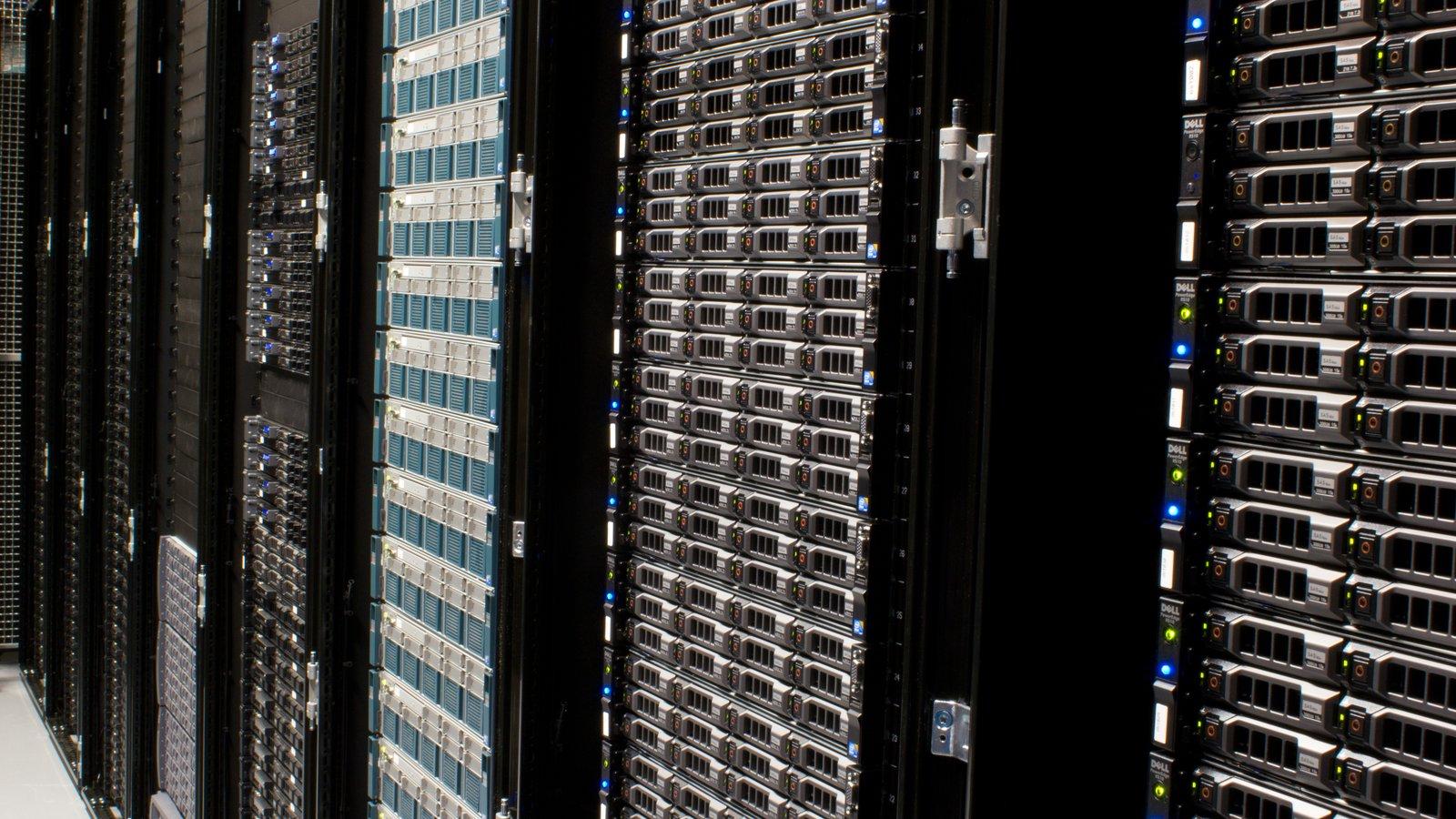
And notice what stays the same no matter which chip wins the order. The power. The cooling. The networking between racks. Oracle is not just renting chips. It is renting the building that keeps those chips fed and cool and talking to each other. Swap the accelerator and the building still has to work. That is the part nobody gets to skip.
This landed differently for me because of what I wrote about yesterday. Microsoft just offered voluntary buyouts to around 60,000 employees, and the teams that run its cloud and AI data centers were excluded entirely. Read those two stories side by side and the pattern is hard to miss. The headcount that shrinks is the headcount you can replace or reorganize. The headcount that stays is the headcount standing in the building where the power and cooling live.
I want to be honest about where I sit in all this. I have never run a GPU cluster. I have never touched a TPU. My code runs on a laptop, and my nightly habit is small scripts and small repos, not multi-gigawatt deployments. I am a WGU software engineering student who works in IT support, and most of what I know about data centers comes from reading about them and from the unglamorous side of IT work: tickets, access, the stuff that breaks at the worst time.
But that is exactly why this story sticks with me. The jobs that keep showing up in this whole month of news are not "prompt the model better." They are the physical, specific ones. Racking. Networking. Power. Cooling. Access control. Incident response. The work of keeping a building full of expensive, hot machines running. You do not need a PhD to start learning that stuff. You need to be the person who shows up and does the boring part right.
One more honest note, because announcements like this are easy to overread. None of this is rentable today. The TPUs arrive in 2027, on a multi-year ramp, with no prices published yet. Cerebras on OCI is a 2027 plan too. A press release is a promise, not a product, and pricing and exact availability are still missing. I am not going to pretend this changes what I can build tomorrow morning.
Still, the direction is clear, and it is good news for someone like me. If the cloud itself stops betting on one chip, then betting your whole career on one chip looks even worse. Learn the layer underneath instead. The building does not care whose logo is on the accelerator. It cares whether the power stays on, the heat gets out, and the network holds up. That work is not going anywhere, no matter which chip is on the menu next year.
Sources: Oracle brings Google TPUs to OCI, Reuters on Oracle's expanded chip deals